A Guide to the Types of Modelling
How the different types of modelling shape your pathway
Starting a modelling journey requires more than enthusiasm. It begins with a clear understanding of the industry and the many directions available to new faces. Each modelling category has its own expectations, skill demands, and professional pathways, and recognising these differences early helps shape a stronger foundation. Many beginners feel unsure about where they fit, but clarity at the start supports better decisions around training, portfolio development, and agency readiness. This guide outlines the main types of modelling and explains how each pathway contributes to long-term growth within the Australian industry. The aim is to help you approach modelling with purpose, awareness, and confidence.
Editorial modelling
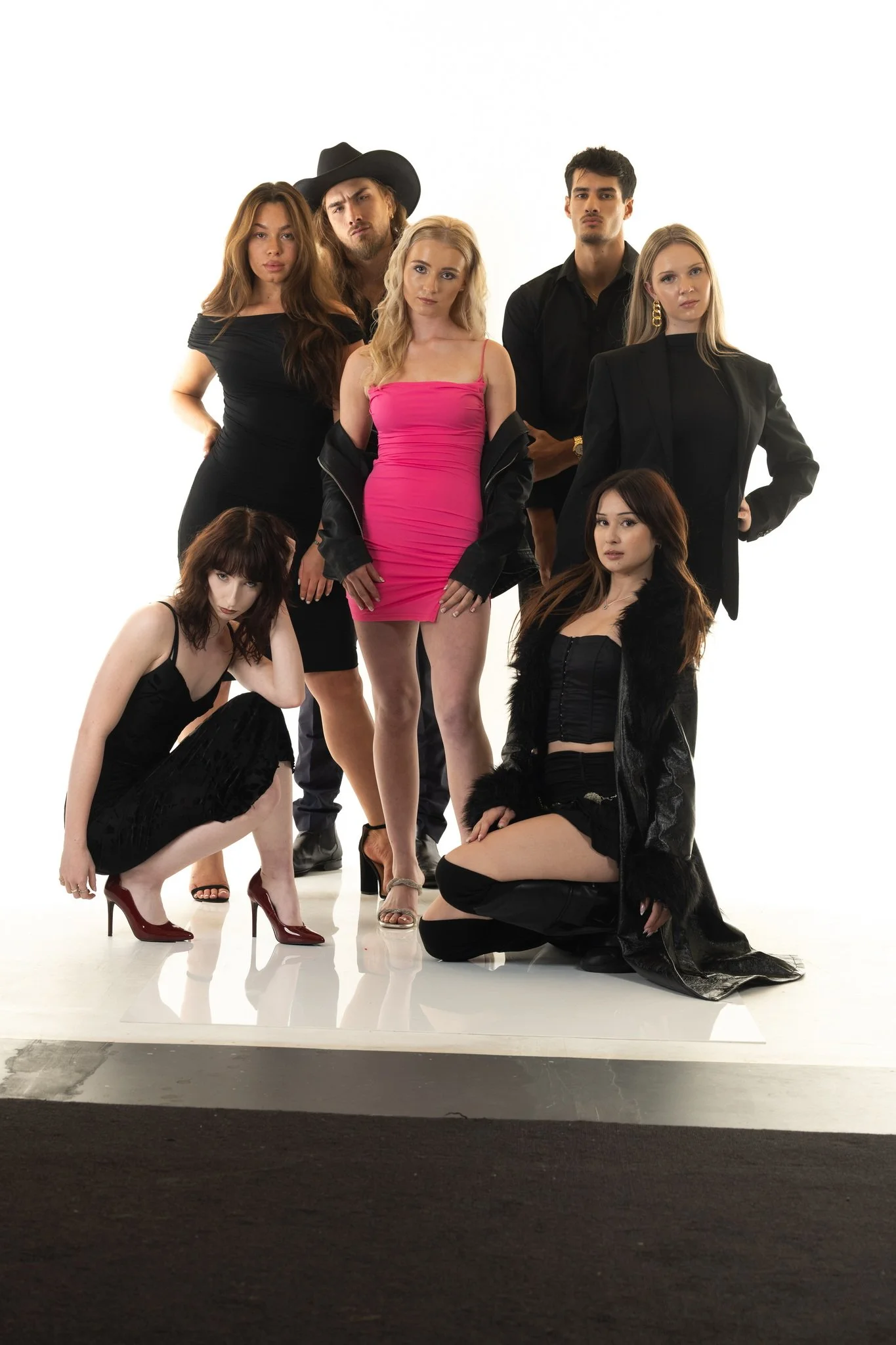
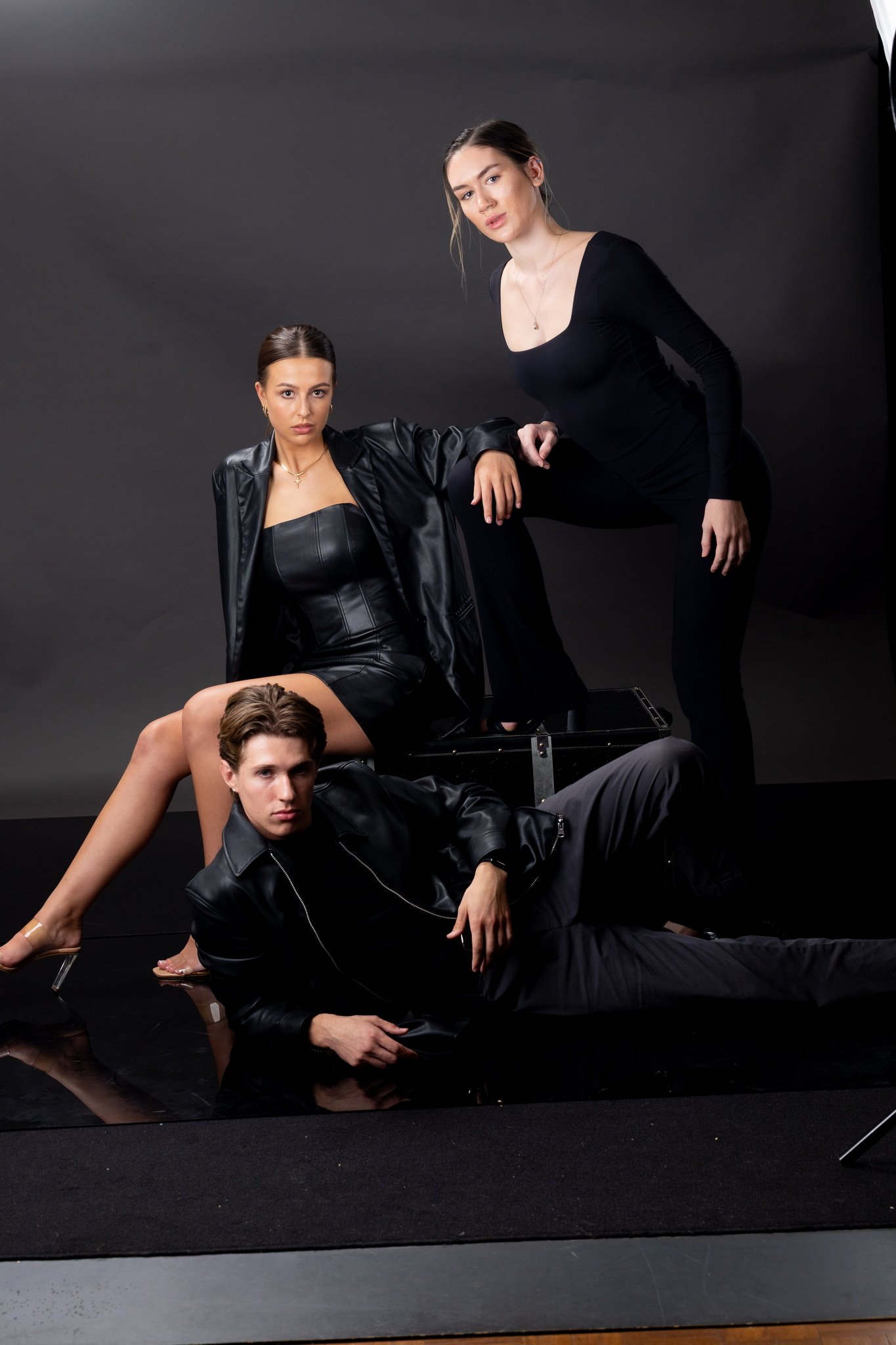
Editorial modelling focuses on high-fashion stories seen in magazines, digital publications, and creative campaigns. It requires strong posing ability, emotional expression, and an understanding of artistic direction. Editorial work is often conceptual, with models collaborating closely with stylists and photographers to bring a narrative to life.
For beginner models, editorial is competitive but valuable for building range. It develops confidence, movement, and the ability to take direction. Bodies and faces that suit this category often carry distinctive or high-fashion features. Editorial work also helps strengthen a model book with images that show story, emotion, and versatility.
Commercial modelling
Commercial modelling is one of the broadest modelling categories. It represents everyday consumers and focuses on approachability, relatability, and clear communication of a product or service. Commercial models work across lifestyle campaigns, retail brands, catalogues, and video content.
This direction suits new faces with natural presence and a warm, expressive look. Commercial modelling in Australia is steady and practical, offering consistent opportunities for beginners to learn professional behaviour on set. A strong commercial base helps build industry confidence. It also teaches timing, subtle expression, and the ability to perform simple actions in front of the camera.
Runway and fashion shows
Runway modelling requires height, proportion, and controlled movement. Models need strong posture, a steady walk, and the ability to showcase garments with precision. This category demands discipline, repetition, and comfort performing in front of large audiences.
For new faces, runway training helps develop body awareness. It also reinforces professionalism, punctuality, and the importance of rehearsal. Runway experience is highly valued by agencies when assessing readiness for larger shows. Australian runway work includes fashion weeks, brand launches, and designer showcases. It offers a clear structure and teaches consistency under pressure.
Lifestyle and e-commerce modelling
Lifestyle modelling captures real-world scenarios such as fitness, travel, workplace settings, or family themes. It is grounded, natural, and widely used in Australian marketing. Lifestyle models often perform simple movements while maintaining relaxed expressions and continuity across shots.
E-commerce modelling is more structured. It focuses on the clean presentation of garments or products for online retail. Precision, consistency, and stamina are essential, as shoots can be fast-paced with high volume. Beginners often start in these areas because they build camera comfort and reliable work habits. They also strengthen portfolio images that agencies and clients regularly seek.
Specialised categories
Specialised areas include beauty, fitness, curve, petite, body parts, and mature modelling. Each category has its own expectations around presentation, skill, and suitability. These types of modelling allow individuals to leverage their strongest features or unique attributes.
For beginner models, understanding specialised directions can help refine where they are most competitive. It also ensures portfolio development stays purposeful rather than scattered across unrelated styles. Australia’s modelling industry values authenticity. Specialised talent can find steady work when aligned with real strengths and consistent professional standards.
Developing your modelling pathway
A clear understanding of the industry’s pathways helps new faces approach their development with purpose and patience. Each modelling direction carries its own expectations, and recognising where your strengths sit creates a more focused start. With steady learning, consistent practice, and a long-term mindset, beginners can shape a pathway that supports genuine progress and professional growth.
If you are ready to explore your modelling direction with guidance and structured training, Modellè Academy is here to support your development. Our programs are designed to help new faces understand their strengths and build the skills needed for professional entry.