Building Your Modelling Portfolio: A Complete Guide
Foundations of a commercially effective model portfolio
For aspiring models, a professional portfolio is the cornerstone of their career. In Australia, this means more than just a collection of pretty pictures; it’s a carefully crafted tool that showcases your versatility, professionalism, and ability to meet industry demands. A strong portfolio opens doors to agencies, photographers, and clients, demonstrating you are ready to take on the professional world. Whether you are building a portfolio from scratch or refining an existing one, understanding what to include, what to avoid, and how to approach photographers will set you up for success.
What to include in your modelling portfolio
A modelling portfolio should be a clear representation of your skills and versatility. It needs to include a variety of shots that highlight your range and ability to adapt to different looks and styles.
Key shots for a professional portfolio in Australia:
Headshots: Clean, natural lighting that shows your face clearly, without heavy makeup or distractions. This is often the first image seen by agencies and clients.
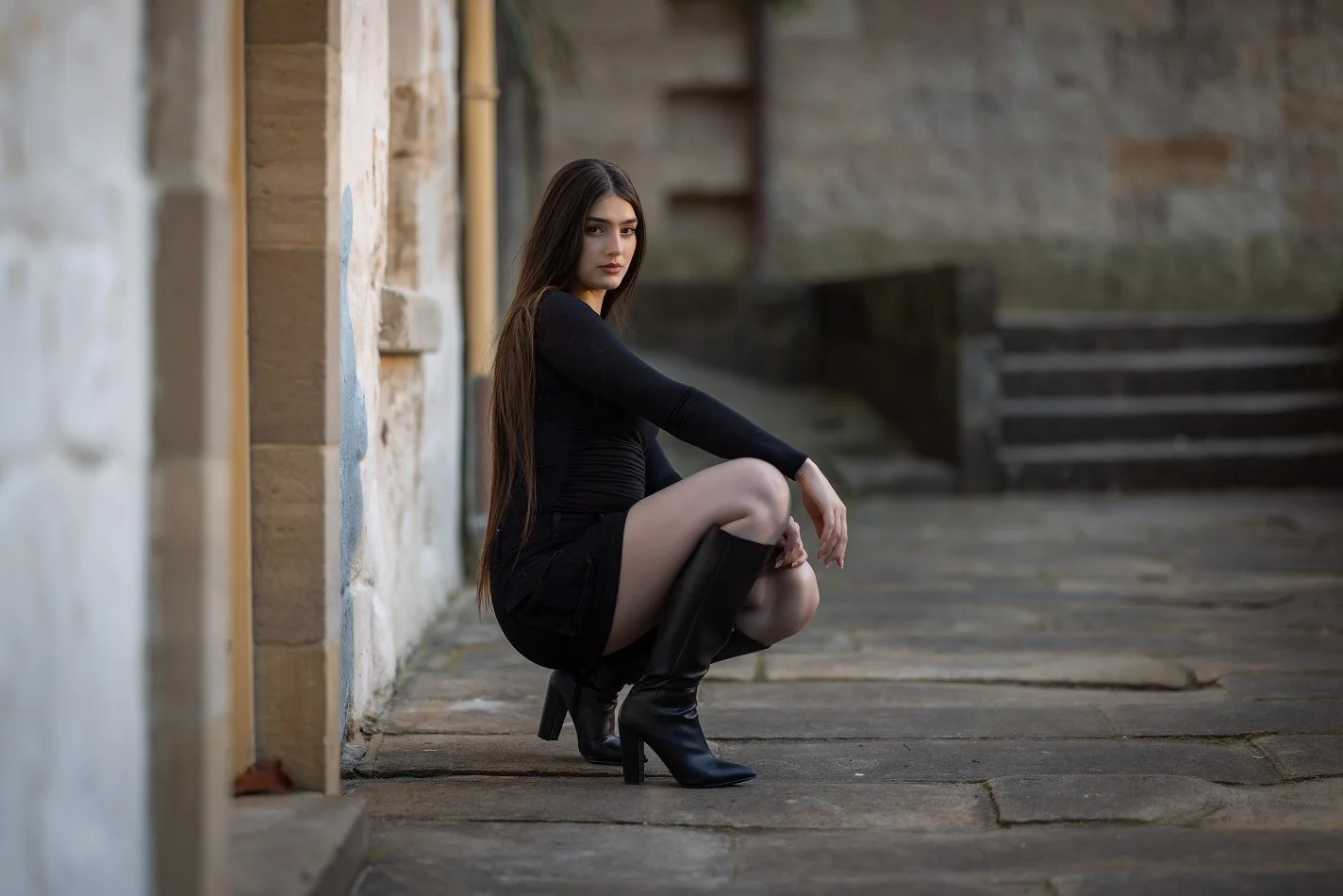
Full-body shots: Showcase your figure and proportions, important for fashion and runway modelling. Ensure you're posed naturally and comfortably.
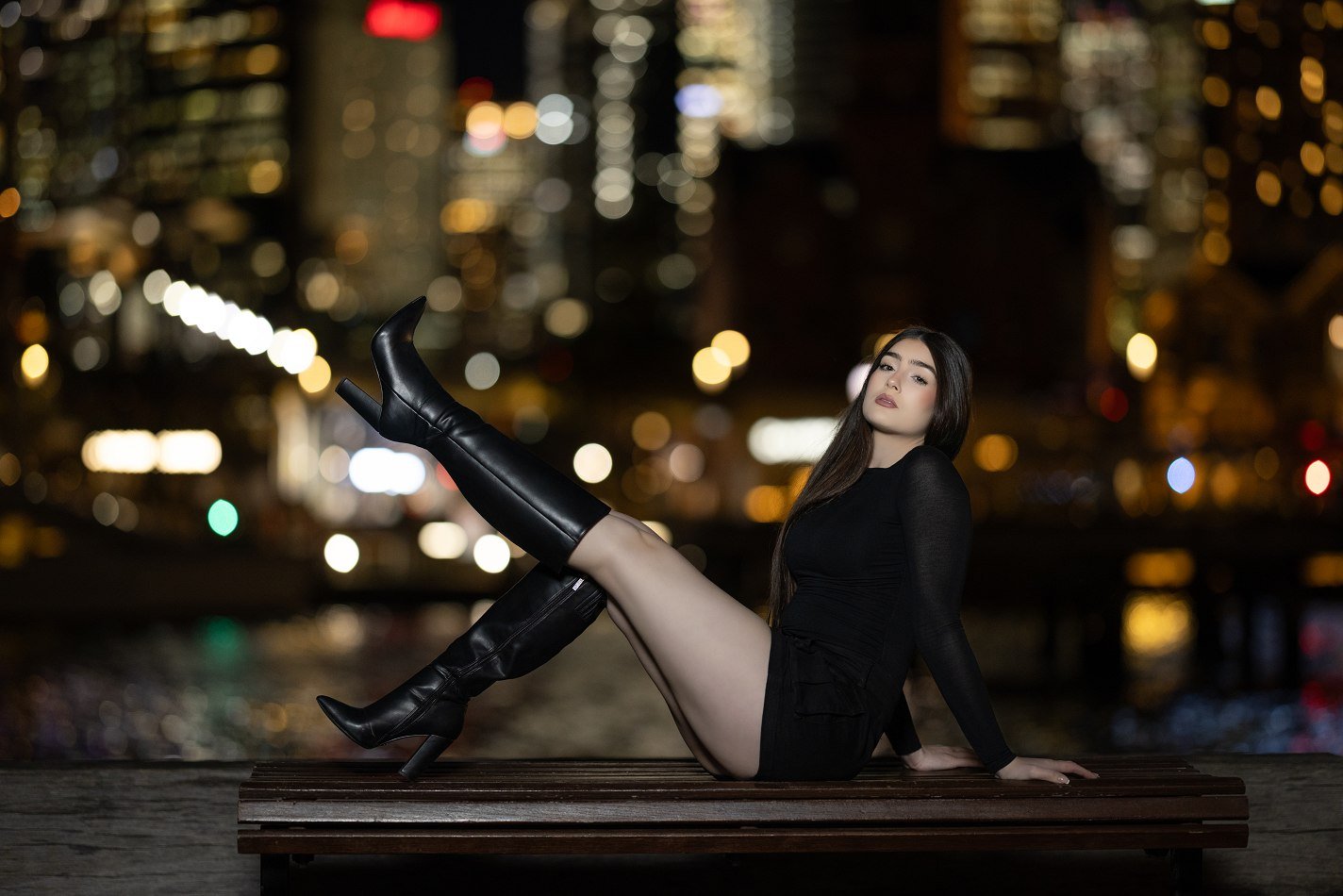
Editorial shots: Capture high-fashion, styled looks to show your versatility. These demonstrate your ability to work with stylists and convey emotions.
Beauty shots: Close-up images focusing on your face, often used for beauty and skincare campaigns.
Lifestyle shots: Casual, relaxed photos that give an insight into your personality and ability to perform in more natural settings.
Each shot should show you at your best, but with variety. A portfolio that demonstrates your adaptability to different styles and settings is far more likely to stand out.
Choosing the right photographers
Selecting the right photographer is one of the most important decisions you’ll make when building your portfolio. Look for professionals who have experience working with models and understand the specific demands of the industry.
Experience: Ensure they have a track record in the industry, with a portfolio that aligns with your modelling goals. Photographers who specialise in fashion or editorial photography will be better suited for those types of shots.
Portfolio: Review their previous work to assess their style and quality. A photographer who has worked with established agencies and high-profile clients is more likely to understand what works in the industry.
Reputation: Research their reputation within the modelling community. Ask for recommendations from fellow models or agents. It’s crucial to feel comfortable with your photographer as your session will require a collaborative environment.
Test shoots: If you’re just starting out, consider booking a test shoot with a photographer who works with emerging talent. These sessions can be more affordable and allow you to practice before committing to larger shoots.
When selecting photographers, always prioritise quality over cost. A great portfolio is an investment in your future career.
Dos and Don’ts for your model portfolio
When building a portfolio, knowing what to include and what to avoid can make all the difference.
Do:
Invest in diversity: Ensure your portfolio shows a range of looks, expressions, and settings. Agencies want to see how versatile you can be.
Be professional: All photos should have high quality and professional presentation. Avoid using amateur or unedited images.
Include natural shots: These can help showcase your true beauty and personality. Avoid over-edited or heavily filtered images.
Consider agency guidelines: Different agencies may have specific portfolio requirements. Always research what they are looking for before submitting.
Don’t:
Overload your portfolio: Quality over quantity is key. A few excellent images are better than hundreds of mediocre ones.
Add irrelevant content: Avoid including personal photos or anything that doesn’t reflect your professional image.
Use old or outdated shots: As you grow and develop as a model, ensure that your portfolio reflects your current look and skill set.
Avoiding these common mistakes will ensure your portfolio remains strong, focused and professional.
Professional considerations for your model portfolio
A model’s portfolio is not just a collection of images; it’s a tool to market yourself professionally. Beyond the photos, there are a few key considerations to remember as you build your portfolio:
Consistency in branding: Your portfolio should represent a clear idea of who you are as a model. Be consistent in your style, your positioning, and the type of work you want to pursue.
Updating regularly: As you gain experience and your look evolves, your portfolio should reflect that. Don’t forget to update it periodically with new, stronger shots.
Digital portfolio: Most agencies and clients now prefer digital portfolios. Make sure your portfolio is available online, easy to navigate, and accessible on various devices.
Agency representation: If you’re working with an agency, they may help you create and refine your portfolio. They have a strong understanding of what works in the industry and can offer valuable advice.
Take the Next Step in Your Modelling Career
A professional portfolio is an essential tool in your career, and creating it with thoughtfulness and strategy will make a significant impact on your long-term success. If you're ready to elevate your portfolio and modelling skills, explore our Online Modelling Courses at Modelle Academy.