How to become a model
Becoming a model is a dream for many, but knowing where to start often feels confusing. The modelling industry is competitive, fast-moving, and constantly evolving, yet it also offers real opportunities for those who approach it with the right mindset and preparation. If you have ever wondered how to become a model and build a sustainable modelling career, this guide will walk you through the essential steps with clarity and confidence.
Understanding the Modelling Industry
Before learning how to start modelling, it is important to understand how the industry works. Modelling is not limited to fashion runways. Today, brands look for diverse faces across commercial, lifestyle, fitness, and digital campaigns. A professional model is not defined by height or background alone, but by adaptability, professionalism, and consistency.
The modelling industry values reliability, presentation, and the ability to take direction. Understanding this early helps beginners align expectations and make informed decisions when entering the field.
Different Types of Modelling
One of the most important steps in a modeling career for beginners is identifying the category that suits you best. Common types of modelling include:
Fashion and runway modelling, which focuses on high-end designers and catwalk presentations.
Commercial modelling, which includes advertisements, lifestyle campaigns, and brand promotions.
Fitness modelling, suited for athletic physiques and activewear brands.
Editorial modelling, often featured in magazines and creative shoots.
Knowing the types of modelling helps aspiring talent position themselves correctly and avoid unrealistic comparisons.
Skills and Qualities Required
Learning how to become a model goes beyond physical appearance. Confidence, discipline, and communication skills are essential. Models must be comfortable in front of the camera, punctual for castings, and open to feedback.
Professionalism is one of the most overlooked qualities in the modelling industry guidebooks, yet it is often what separates successful models from those who struggle. Being prepared, polite, and committed builds trust with photographers, agencies, and clients.
Building Your Model Portfolio
A strong portfolio is your visual resume. A model portfolio for beginners should focus on clean, natural images that showcase versatility. Avoid heavy makeup, excessive editing, or distracting outfits.
Your portfolio should typically include:
A clear headshot with natural lighting
A full-length photo showing body proportions
Simple wardrobe choices that highlight your look
A well-curated portfolio is essential when approaching modelling agencies or attending model auditions and castings.
Training, Confidence and Camera Presence
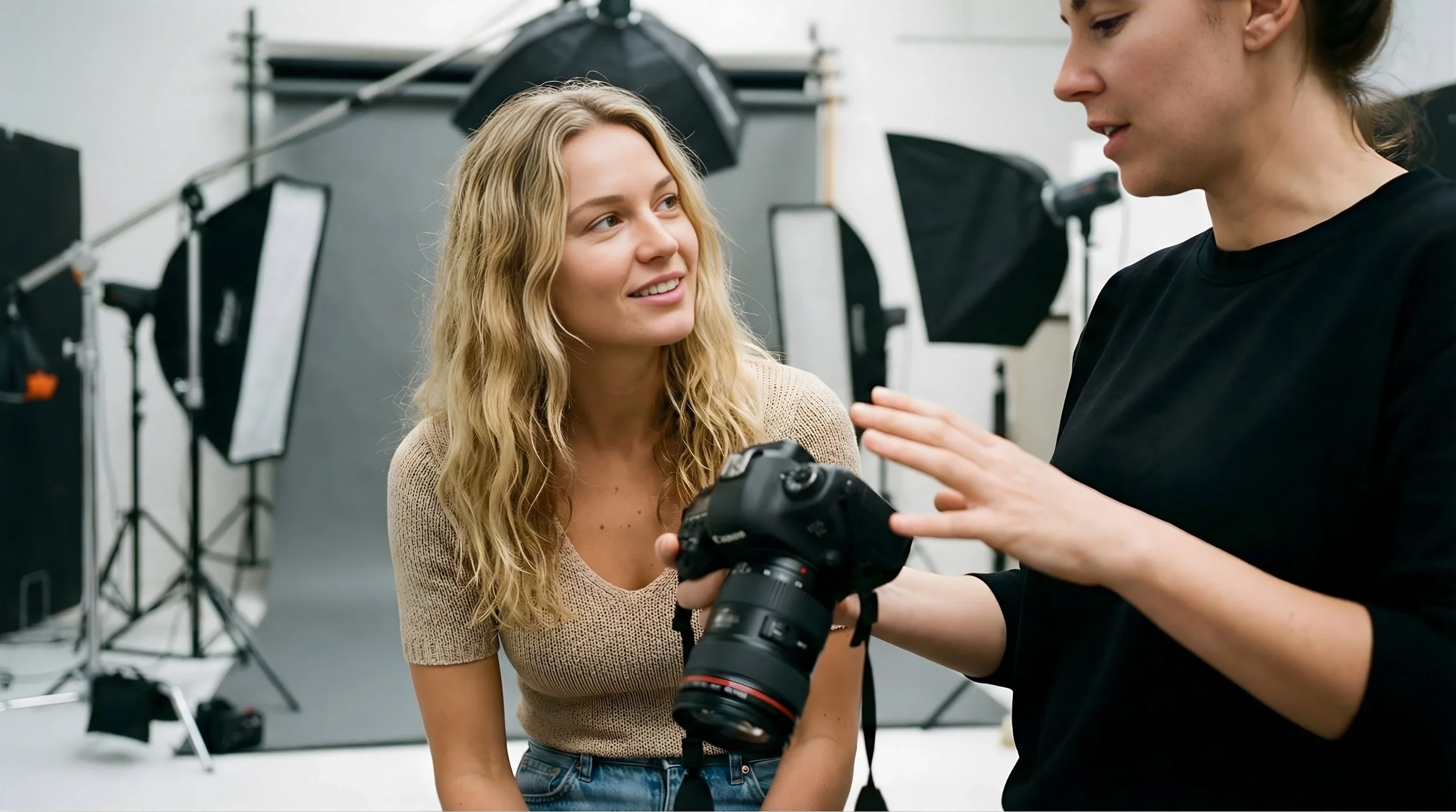
Many aspiring models underestimate the value of training. Model training helps develop posture, walk, posing techniques, and camera awareness. Confidence grows with practice, and camera presence improves through guided experience rather than guesswork.
Training also prepares beginners for real industry scenarios, making the transition into professional environments smoother. This is a crucial step when aiming to become a professional model rather than treating modelling as a short-term experiment.
Agencies, Auditions and Castings
Finding the right agency is a key milestone when learning how to get into modelling. Legitimate modelling agencies do not ask for upfront fees and focus on developing talent long term.
Attend open calls, submit digitals professionally, and stay alert during auditions and castings. Patience is important, as rejection is part of the process. Each casting is a learning experience that strengthens your understanding of the industry.
Common Myths and Mistakes
Many beginners misunderstand how the modelling industry works, which can slow their progress.
Myth: You must fit one specific look
The industry values diversity, especially in commercial modelling.
Myth: Success happens quickly
A modelling career takes time, consistency, and professional effort.
Mistake: Signing without research
Always verify agencies and opportunities before committing.
Mistake: Comparing your journey
Every model progresses differently, and comparisons often lead to self-doubt.
Understanding these myths and avoiding common mistakes helps aspiring models approach their career with clarity and confidence.
Your Modelling Journey Starts with the Right Guidance
Learning how to become a model is only the beginning. Building a sustainable modelling career requires the right training, industry knowledge, and professional support. With proper guidance, aspiring models can avoid common mistakes and confidently navigate castings, portfolio development, and agency expectations.
If you are serious about starting your modelling career with clarity and direction, investing in the right education is essential. Modelle Academy provides structured model training designed to help beginners understand the modelling industry, build a professional portfolio, and develop confidence in front of the camera. Through expert-led programs, aspiring talent gains the skills and preparation needed to take their first steps toward becoming a professional model.