Runway and Commercial Modelling: Choose Your Path
For many new faces in the modelling world, one question is common: Should I focus on runway or commercial modelling? The distinction is not always obvious. Each path involves different modelling types, develops unique skills, operates in distinct work environments, and shapes career direction in its own way.
This guide clarifies the differences between Runway vs Commercial Modelling. It explains what each pathway demands, how agencies evaluate potential, and which environment aligns with different strengths. By understanding these elements, emerging talent can make informed decisions and build a professional, sustainable career in the modelling industry.
How runway and commercial work differ
Runway and commercial modelling sit at the heart of the industry, but they serve completely different purposes and understanding this distinction helps new faces approach their development with clarity.
Runway Modelling
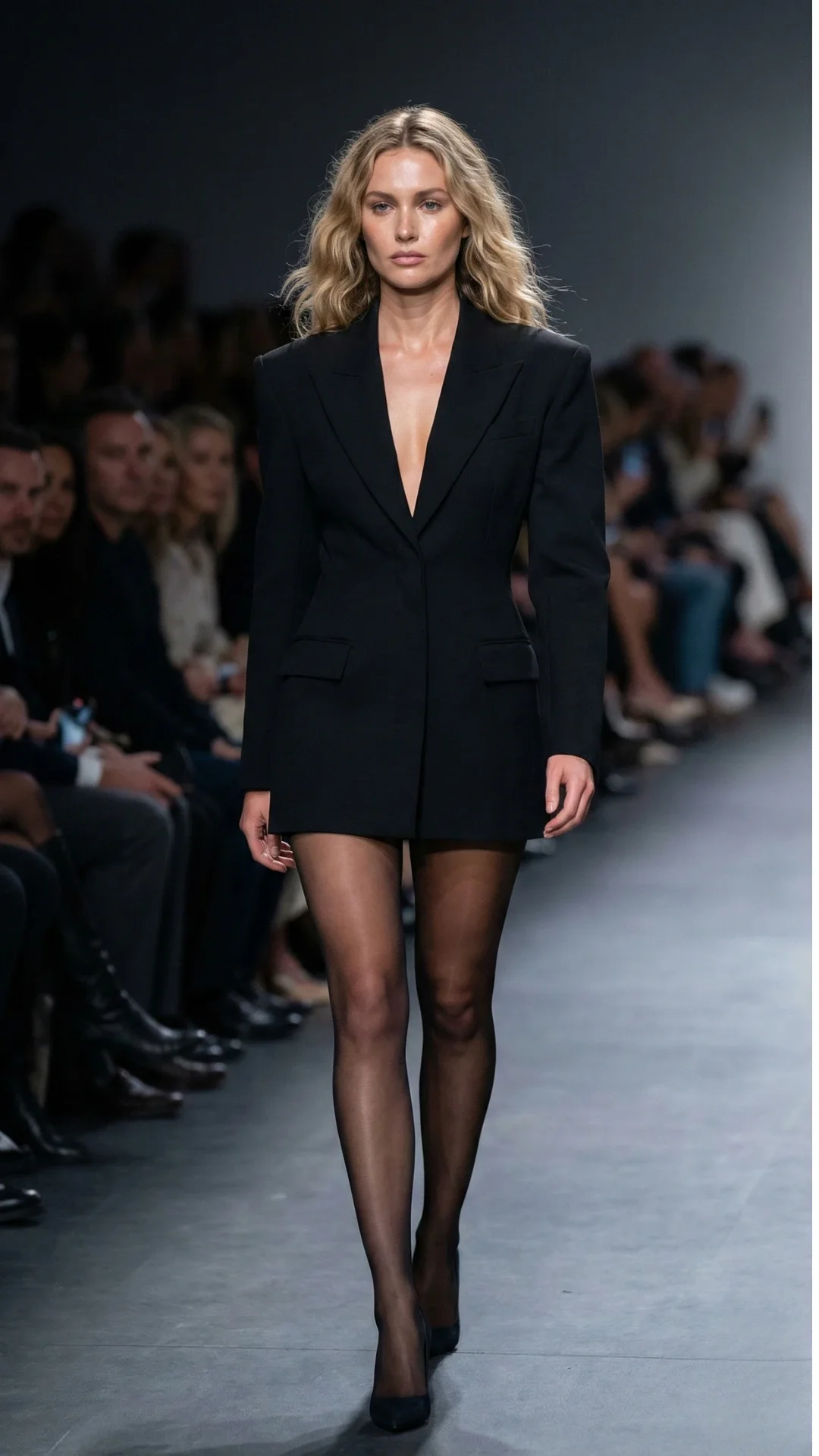
Runway modelling is designed to showcase a designer’s creative vision during fashion shows. Models walk the catwalk wearing carefully curated garments, with focus on posture, proportion, and the way clothing flows on the body. Precision, discipline, and stage presence are critical.
At a Sydney Fashion Week runway, a model may be asked to walk multiple times, maintain alignment, and adapt to quick costume changes. Runway modelling emphasizes technical execution and a strong professional presence, highlighting a model’s ability to work under pressure.
Commercial Modelling
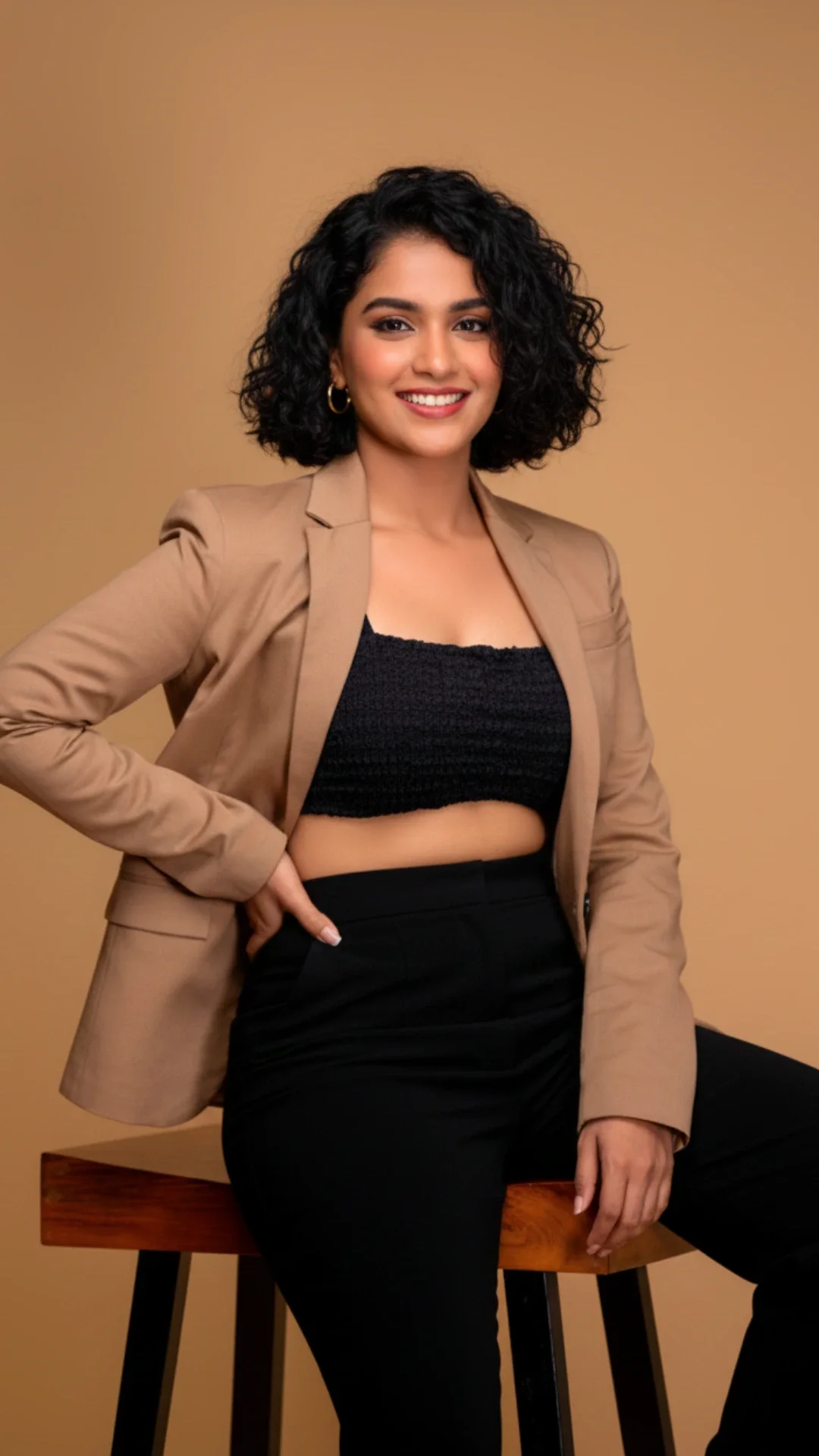
Commercial modelling centres on relatability and audience connection. It is commonly used in advertising campaigns, catalogues, lifestyle photography, and digital media content. Success in this space depends on versatility, expression, and the ability to convey a brand’s story convincingly.
During a commercial shoot for a lifestyle brand, a model may be asked to interact with a product naturally, smile at the camera, or convey everyday moments. Commercial modelling allows a wider range of body types and personalities, and focuses on engaging viewers through authenticity and adaptability.
Skills required for each modelling path
Runway and commercial modelling develop distinct professional capabilities. Developing these skills early helps emerging talent gain confidence and perform effectively in various modelling types.
Runway modelling skills include:
Maintaining posture and controlled movement
Precision walking and timing
Handling multiple outfit changes quickly
Commercial modelling skills include:
Expressive posing and natural movement
Storytelling through gestures and facial expressions
Adapting to different scenarios and client direction
How agencies evaluate potential
Agencies consider multiple factors beyond physical appearance and understanding agency expectations helps new models select the most suitable career direction and prepare for long-term growth.
For runway modelling:
Height alignment and proportion
Ability to present clothing consistently
Professionalism and stage presence
For commercial modelling:
Personality, warmth, and relatability
Communication and adaptability
Versatility across different campaigns and media
Which pathway suits emerging talent
Emerging talent often identifies their strengths through test shoots, training, and early casting experiences. Some models excel in the structured environment of runway shows, while others shine in commercial shoots where expression and relatability are key.
It is common for models to explore multiple modelling types over time. Viewing Runway vs Commercial Modelling as complementary rather than opposing pathways allows new faces to develop a broad skill set and grow professionally.
Mapping your journey in runway and commercial modelling
A successful modelling career begins with self-awareness and understanding the industry. Knowing the differences between runway and commercial work helps models make informed decisions, refine their skills, and strengthen confidence.
Modellè Academy provides emerging talent with structured guidance, portfolio development, and professional training. Whether your goal is runway, commercial, or multiple modelling types, investing in skill development early supports long-term success and career versatility.
FAQs
Is it possible to do both runway and commercial modelling?
Yes. Many models work across both pathways once they develop foundational skills for each environment.
Which modelling path offers more opportunities for beginners?
Commercial modelling typically has broader entry points, accommodating diverse modelling types and more flexible requirements.
Does height matter for runway modelling?
Runway shows usually follow specific height guidelines, but opportunities can vary depending on designers and markets.
Do commercial models need acting skills?
Not formal acting, but the ability to convey emotion, adapt to direction, and engage naturally with the camera is essential.
How do I know which modelling types suit me best?
Early training, test shoots, and agency guidance help emerging talent understand their strengths and determine the best pathway for long-term growth.