How to Build a Professional Modelling Portfolio
Breaking into the modelling industry requires more than confidence and appearance. A strong portfolio is often the first impression agencies and clients have of a model. If you are wondering how do I create a professional modelling portfolio, the answer lies in understanding industry expectations, selecting the right images, and presenting your skills effectively. A well structured portfolio acts as a visual resume that highlights versatility, personality, and market suitability. Within the competitive modelling portfolio Australia market, agencies expect portfolios that demonstrate professionalism and preparation. This model portfolio guide explains how aspiring talent can build a portfolio that supports long term career growth.
Importance of a Strong Modelling Portfolio in the Industry
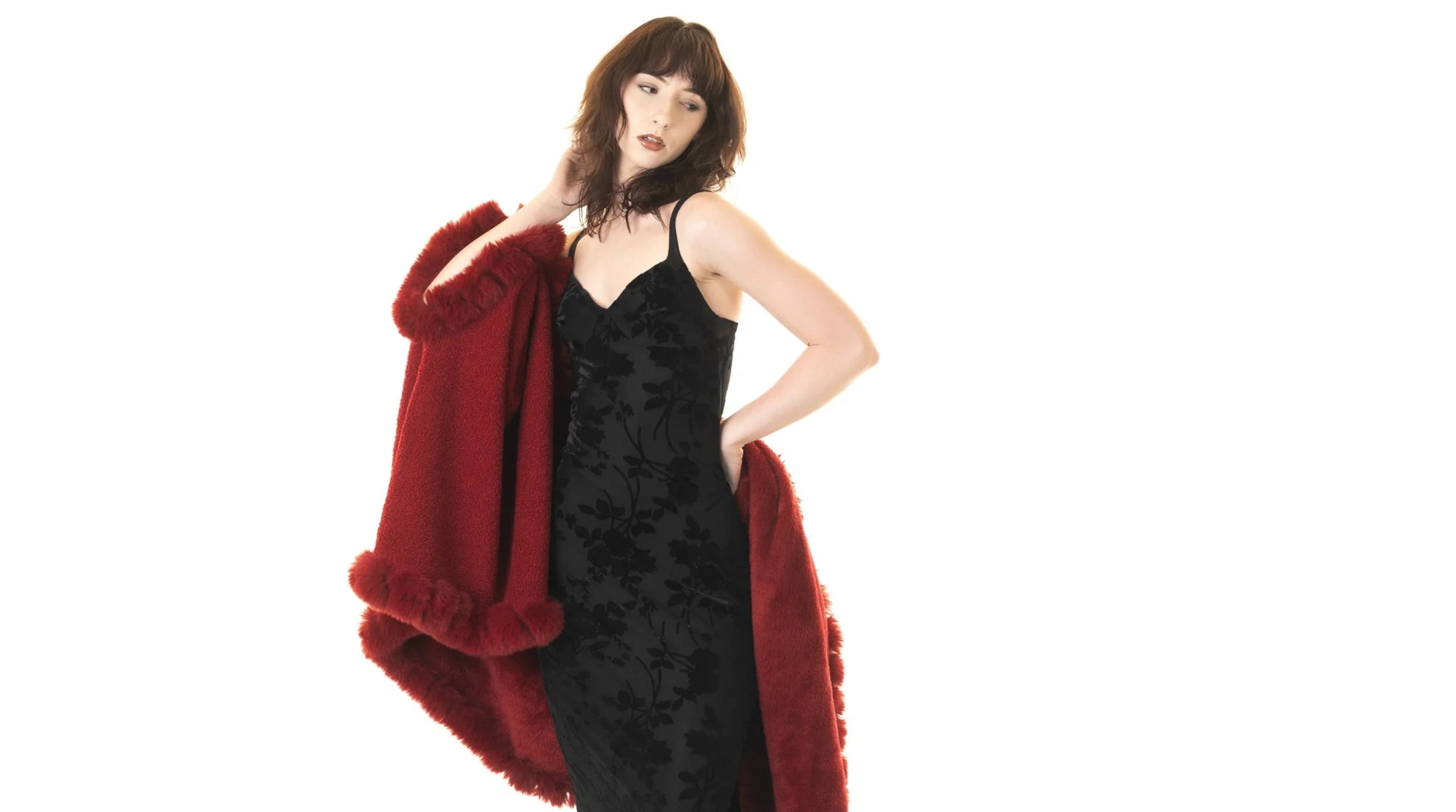
A professional modelling portfolio plays a vital role in securing castings, agency representation, and commercial opportunities. It allows clients to assess whether a model fits a campaign, brand image, or fashion concept. Strong portfolios show range, confidence, and the ability to adapt to different modelling styles.
Within modelling portfolio Australia standards, portfolios are expected to reflect current industry trends and presentation quality. Agencies often shortlist models based on their portfolio before meeting them in person. This means your images should communicate reliability and professionalism. A well planned model portfolio guide helps models treat their portfolio as an investment that grows alongside their career. Consistent updates and high quality presentation ensure that models remain competitive in a constantly evolving industry.
Essential Photos Every Modelling Portfolio Should Include
Creating a balanced portfolio requires selecting images that demonstrate versatility while maintaining authenticity. Many aspiring models ask what photos should be included in a modelling portfolio. Industry professionals usually recommend including the following modelling portfolio photos:
Clean Headshots
Headshots highlight facial features, expressions, and camera confidence. These images are essential for agency submissions and commercial modelling opportunities.
Full Length Body Shots
These images allow agencies to understand posture, body proportions, and natural stance. They are a standard requirement when you create a modelling portfolio.
Natural or Minimal Makeup Images
Natural images help agencies assess a model’s authentic appearance. These photos demonstrate flexibility across different modelling categories.
Commercial Lifestyle Images
Lifestyle shots represent real world scenarios such as advertising or brand campaigns. These are highly valuable in the modelling portfolio Australia market.
Fashion or Editorial Images
Editorial images showcase creativity, posing skills, and the ability to work with styling concepts.
Using these modelling portfolio tips helps models build variety without overwhelming their portfolio with unnecessary repetition.
Professional Photoshoots and Their Role in Portfolio Development
A common question among aspiring models is whether beginners need a professional photoshoot for their portfolio. A beginner modelling portfolio can initially include simple and clean images taken under proper lighting and background conditions. However, as models begin approaching agencies, professional photoshoots become extremely valuable.
Professional photographers understand lighting, composition, and industry standards. Their experience helps capture images that meet agency expectations and commercial requirements. Models who invest in professional shoots often present themselves more confidently during castings. Training programs can also prepare new talent by improving posing, expression control, and camera presence before portfolio development begins. While beginners can start small, working with professionals significantly strengthens a modelling portfolio over time.
Step by Step Model Portfolio Guide to Build a Professional Modelling Portfolio
Building a professional modelling portfolio requires planning, skill development, and industry awareness. Following a structured model portfolio guide can help beginners build confidence and direction.
1. Identify Your Modelling Category
Understanding your strengths helps determine the types of images required. Categories may include fashion, commercial, lifestyle, or promotional modelling.
2. Work With Industry Professionals
Collaborating with experienced photographers, stylists, and trainers ensures your portfolio meets professional standards. Preparing for a shoot is equally important. You can explore detailed preparation strategies in our Photoshoot Tips guide.
3. Develop Posing and Expression Skills
Training helps models understand body positioning, facial expressions, and camera angles. These skills improve image quality and consistency.
4. Select Strong and Versatile Images
When you create a modelling portfolio, quality is more important than quantity. Select images that highlight range while maintaining brand alignment.
5. Build Digital and Print Portfolio Formats
Agencies often request digital portfolios for submissions and printed books for castings. Maintaining both formats increases professional credibility.
6. Maintain Industry Presentation Standards
Avoid overcrowding your portfolio with similar images. Understanding industry expectations helps models avoid beginner mistakes. For more guidance, explore our Portfolio Do’s & Don’ts resource.
Your Next Steps Toward Professional Modelling
Building a professional modelling portfolio is a crucial step toward establishing credibility and securing modelling opportunities. A well developed portfolio showcases versatility, confidence, and professionalism while aligning with modelling portfolio Australia expectations. By selecting the right images, working with experienced professionals, and continuously updating content, models can strengthen their industry presence.
If you are ready to develop industry ready skills and build a strong professional modelling portfolio, explore Modelle Academy’s training and portfolio development programs to begin your modelling journey with expert guidance.
FAQs
How many photos should a modelling portfolio include?
Most agencies recommend including between 8 to 15 high quality images. A beginner modelling portfolio should focus on variety while avoiding duplicate poses or concepts.
How often should a modelling portfolio be updated?
Portfolios should usually be updated every 6 to 12 months. Updates may also be required after appearance changes, skill development, or new professional shoots.
What common portfolio mistakes should new models avoid?
Common mistakes include excessive editing, low resolution images, limited posing variety, and including too many photos that do not match industry standards.
Can I create a modelling portfolio without agency representation?
Yes, many models create a modelling portfolio independently before approaching agencies. Following modelling portfolio tips and working with professional photographers can help build credibility.
Should modelling portfolio photos be heavily edited?
Professional modelling portfolio photos should look polished but natural. Over editing may reduce authenticity and make it difficult for agencies to assess a model’s true appearance.