
How to Improve Your Walk for Runway Modelling
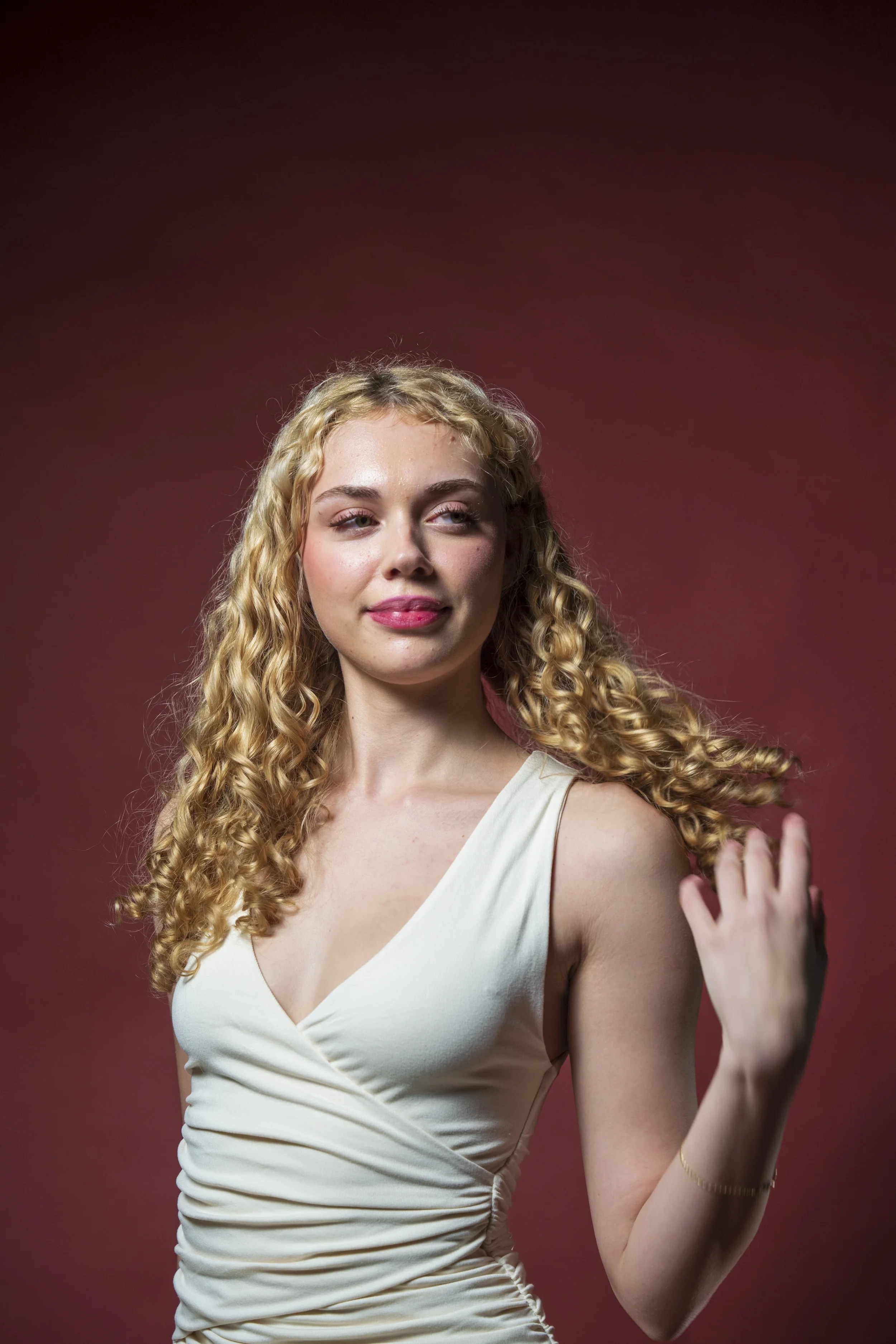
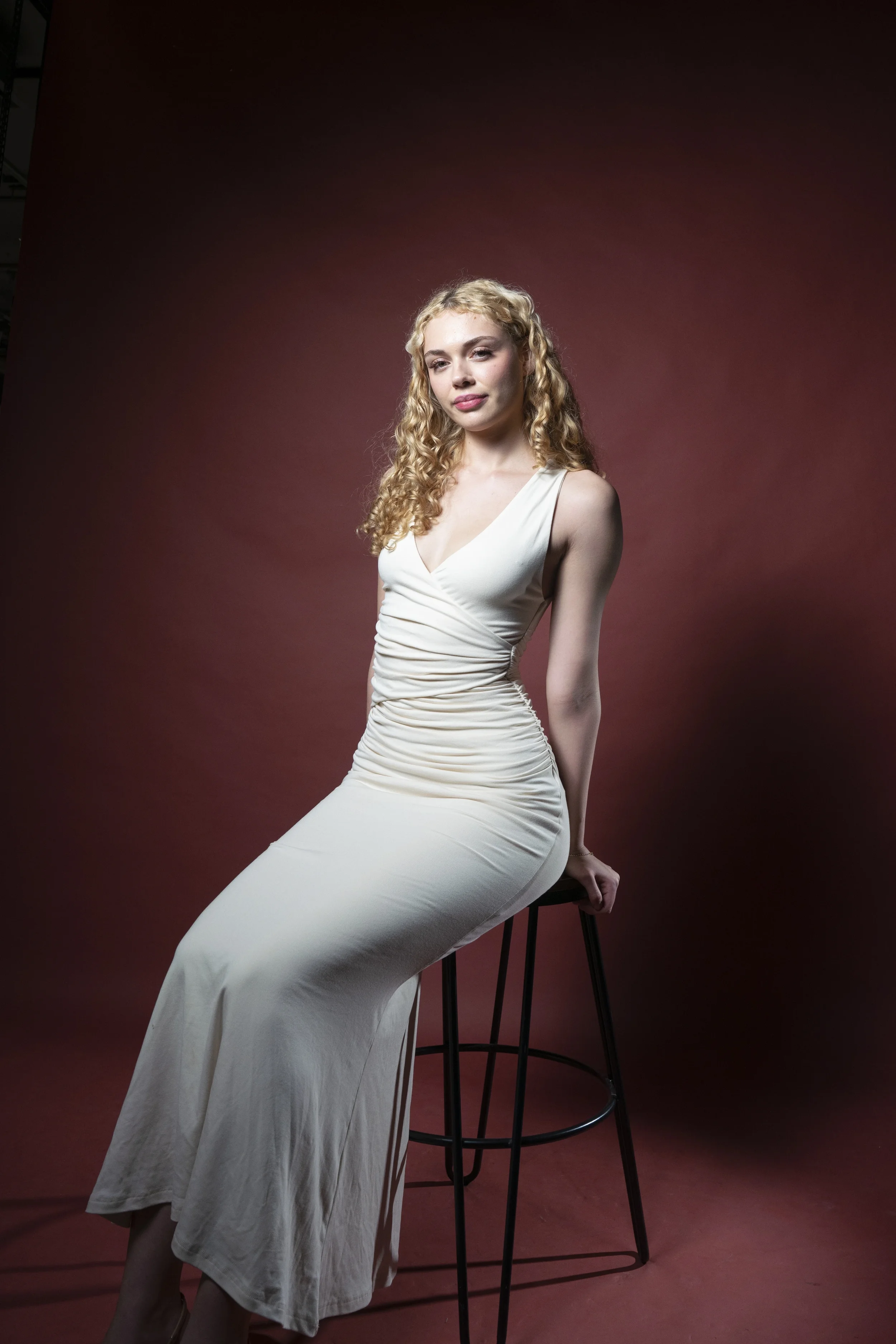

A strong runway walk is about more than simply walking from one end of a runway to the other. It combines posture, balance, rhythm, control and presence. For aspiring models, developing these skills can make your movement look more polished and professional.
Like any modelling skill, a confident walk takes practice. Understanding the fundamentals and repeating them consistently can help you become more comfortable with your movement and develop a walk that feels controlled and natural.
What Makes a Strong Runway Walk?
A good runway walk starts with strong posture. Your head should remain lifted, your shoulders relaxed and your body aligned as you move. Your steps should feel deliberate without looking forced.
Your pace also matters. A controlled rhythm allows your movement to look confident while giving you enough time to maintain your posture and presentation. Your arms should move naturally with your body rather than becoming a distraction.
In runway modelling, the goal is not to make every movement exaggerated. It is about developing control and creating a consistent presence from the moment you step onto the runway. Understanding how runway work differs from other forms of modelling can also help you recognise the specific skills and presentation required for the catwalk. Read our guide to Runway vs Commercial Modelling to explore these differences.
6 Ways to Improve Your Runway Walk
1. Start With Your Posture
Before focusing on your steps, establish your posture. Keep your head up, shoulders relaxed and chest naturally open. Engage your core without becoming stiff.
Good posture provides a stable foundation for your modelling walk and can help you maintain control throughout the entire runway.
Practise standing in your runway posture before you begin walking. This allows you to become familiar with the position and gradually make it feel more natural.
2. Practise Your Foot Placement
Your foot placement affects the overall appearance of your walk. Focus on taking controlled steps and placing each foot with intention.
Avoid trying to force your legs into an exaggerated movement. Instead, concentrate on balance and consistency. Walking along a straight line can be a useful exercise for developing greater awareness of your steps.
3. Find Your Natural Pace
Walking too quickly can make your movement look rushed, while walking too slowly can make it difficult to maintain a natural rhythm.
Experiment with your pace during practice. Focus on finding a speed that allows you to maintain your posture, control your steps and present the outfit effectively.
A consistent pace is an important part of a polished runway walk.
4. Control Your Arms and Upper Body
Your arms should complement your movement rather than compete with it. Allow them to move naturally while keeping your shoulders relaxed.
Pay attention to unnecessary movement in your hands, shoulders or upper body. Recording yourself while practising can help you identify movements that may not be noticeable while you are walking.
5. Work on Your Turns
A runway turn requires balance, timing and control. When you reach the end of the runway, avoid rushing through the transition.
Practise reaching your turning point with the same posture you maintained throughout the walk. Work on changing direction smoothly before continuing back along the runway.
Repeating the movement helps you become more comfortable with the timing and develop better control.
6. Practise With Feedback
Self-practice is useful, but feedback can reveal details you may not notice yourself.
Record your walk from different angles and review your posture, pace, foot placement and turns. You can also practise with a trainer who can identify areas that need adjustment.
Regular feedback can make your runway training more focused and help you understand exactly what to improve.
Common Runway Walking Mistakes to Avoid
Even small habits can affect your overall presentation. Some common mistakes include:
Looking down while walking
Walking too quickly
Over-exaggerating movement
Holding the body too rigidly
Losing posture during turns
Allowing the arms to move excessively
Trying to copy another model's walk exactly
Instead of trying to imitate someone else's style, focus on developing controlled movement that suits your own body and allows you to present yourself confidently.
How to Practise Your Runway Walk at Home
You do not need a professional runway to practise your modelling walk. Start by creating a clear walking path where you have enough space to move safely.
Begin with your posture, then walk at a controlled pace towards a fixed point. Practise your turn and return to your starting position. Record a few attempts and review your movement.
You can also vary your practice by changing your pace, wearing different types of shoes and practising with different outfits. This can help you become more adaptable and comfortable with different runway situations.
Consistency is key. Short, focused practice sessions can be more useful than occasionally practising for a long period without reviewing your technique.
Build Your Confidence Through Runway Training
Improving your walk is a process of developing awareness, control and consistency. With regular practice, you can become more comfortable with your posture, movement and overall presentation.
Structured runway training can provide additional guidance by allowing models to practise their technique with feedback and direction. Learning in a professional environment can also help you understand how runway skills fit into the wider demands of the modelling industry.
At Modellè Academy, aspiring models can develop practical modelling skills through structured training designed to build greater awareness and confidence in their movement and presentation.
Ready to develop your modelling skills? Explore Modellè Academy and take the next step in your modelling journey.